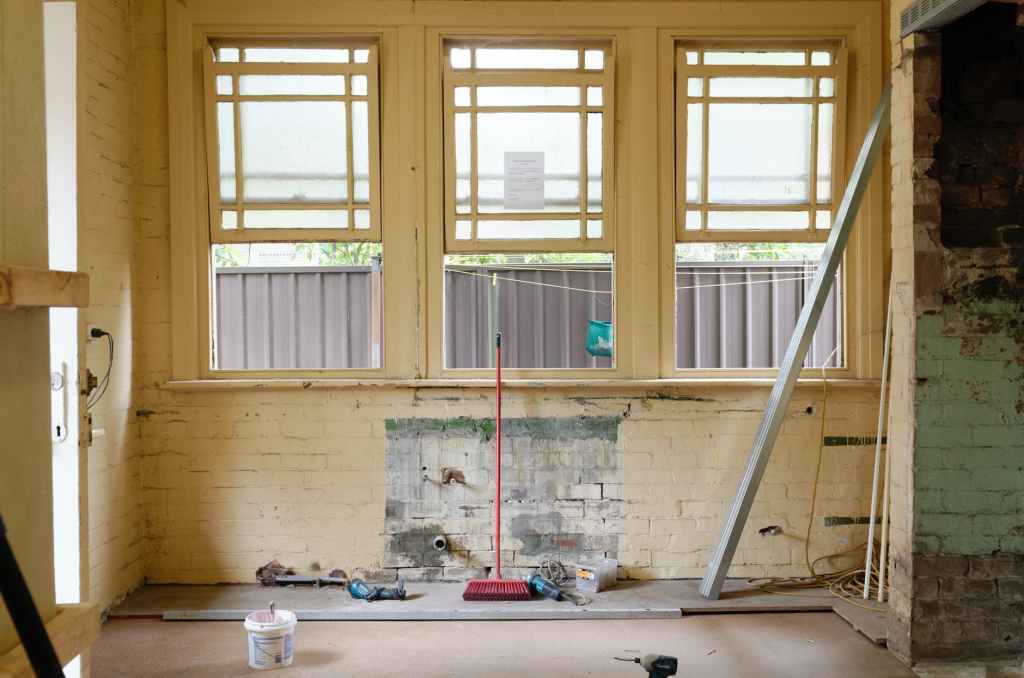
As your local Denver Realtor, and experienced DIY’er, I’m here to guide you through the ins and outs of buying a fixer-upper. If you’re a first-time homebuyer, you might be tempted to shy away from a property that needs a little TLC, but let me tell you, there are some serious pros to taking on a fixer-upper project. Of course, there are also some cons, but let’s start with the good stuff first.
Pros of Buying a Fixer-Upper:
Lower Price Point: This is probably the biggest advantage of buying a fixer-upper. Properties that need work are generally priced lower than move-in ready homes, which can be a huge plus for first-time homebuyers on a budget.
Personalization: When you buy a fixer-upper, you have the opportunity to create a space that is truly your own. You can choose finishes, colors, and layouts that match your personal style, instead of being stuck with someone else’s vision.
Sense of Accomplishment: There’s nothing quite like the feeling of completing a renovation project and seeing the transformation of your property. Taking on a fixer-upper can be a rewarding experience, especially if you enjoy DIY projects.
Appreciation Potential: If you do your renovations right, you could potentially increase the value of your property significantly. This means that if you decide to sell down the line, you could make a decent profit.
Flexibility: When you buy a move-in ready home, you’re limited to the layout and features of that property. With a fixer-upper, you have the ability to customize your space to fit your needs and lifestyle.
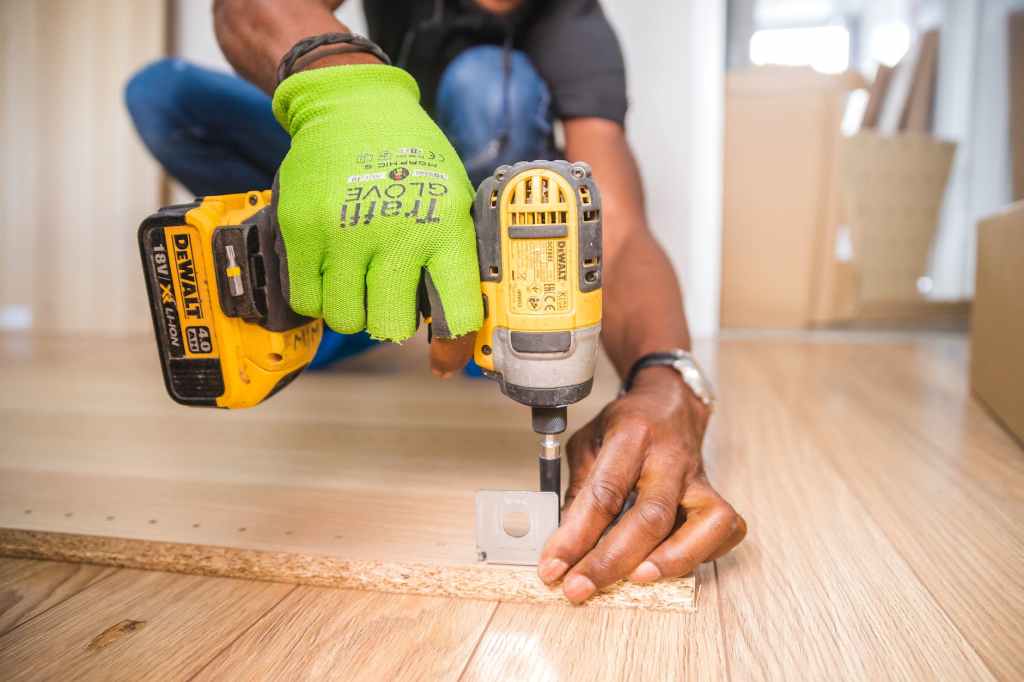
Cons of Buying a Fixer-Upper:
Hidden Costs: One of the biggest downsides of a fixer-upper is the potential for hidden costs. You never know what you might find behind those walls or under that carpet, which can lead to unexpected expenses.
Time Commitment: Renovations take time, and depending on the extent of the work needed, it could be several months or even years before your property is move-in ready. One of my most humbling experiences was helping my boyfriend completely renovate his bathroom. And I mean… completely… Look!

Stressful: Renovations can be stressful, especially if you’re living in the home during the construction process. Noise, dust, and other disruptions can make daily life challenging. Pro tip* DO NOT RENOVATE THE BATHROOM IF IT’S THE ONLY BATHROOM IN THE HOUSE. When we got started, it was like… we can get this done in a weekend! Lets go for it! Worst case scenario, we shower at our friends house for few days and then we’ll have a new bathroom! Wrong. Every freaking step of the way it was like taking 10 steps back just to get one thing done. All in-it took us over a month to get this thing done… which meant, garden hose showers, washing your hair in the sink, and uh… camping toilet. It was a true test of our relationship, but luckily we had a great sense of humor about the whole thing. But what I HIGHLY recommend, either buying a house with 2 bathrooms, or maybe not moving in until the bathroom is finished.
Professional Help Required: While some projects can be tackled by the average DIY enthusiast, others require the help of a professional. Electrical, plumbing, and structural work should always be left to the experts.
Potential for Over-Renovating: It’s easy to get carried away with renovations and end up spending more than you’ll ever get back in terms of appreciation. It’s important to strike a balance between creating a space you love and not overspending on upgrades that won’t add value.
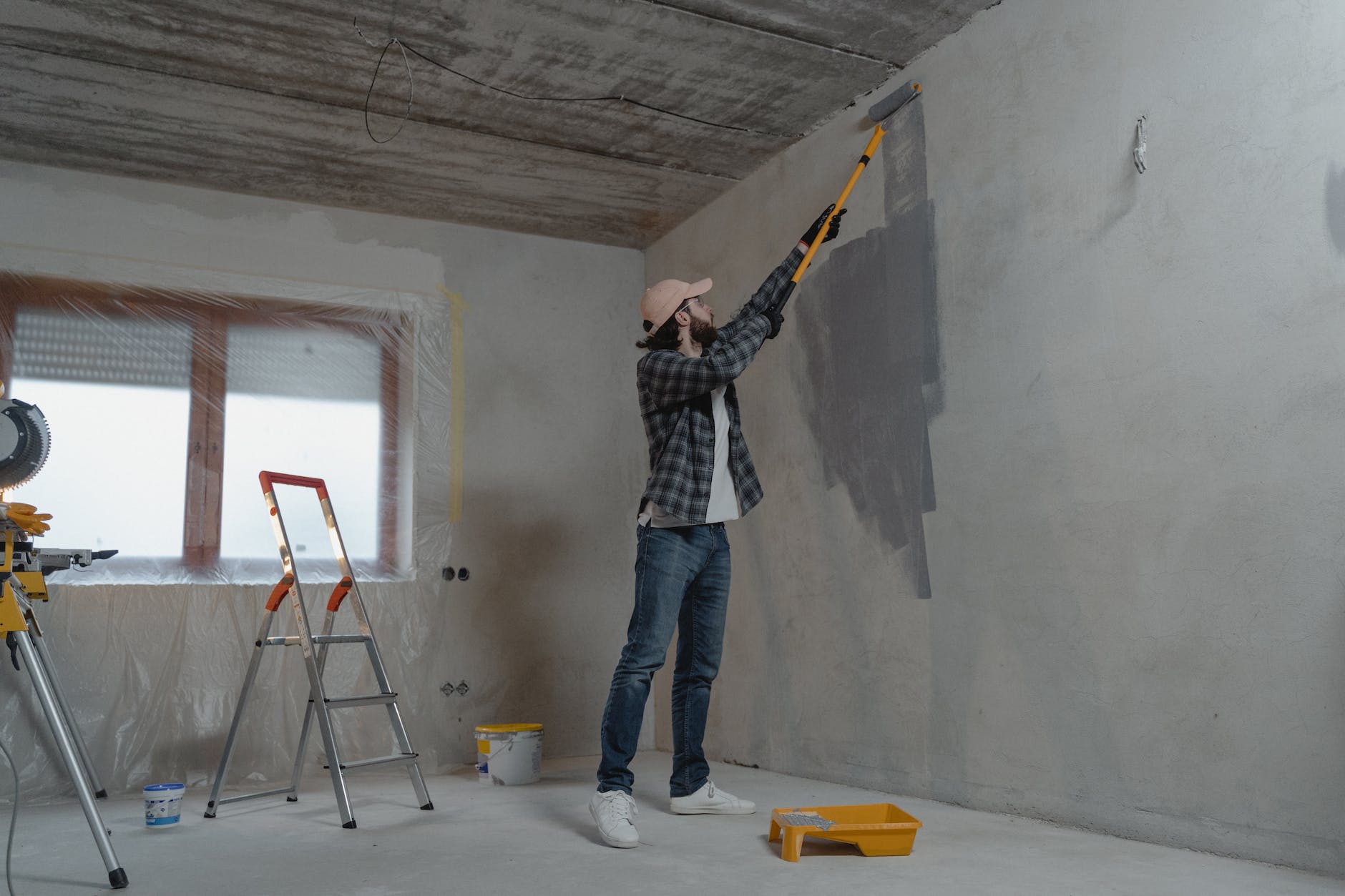
Now that we’ve gone over the pros and cons, let’s talk about some specific projects that you can tackle on your own and when it’s a good idea to call in the pros.
Projects for the DIY’er:
Painting: This is one of the most popular DIY projects for a reason. Painting a room is relatively easy, inexpensive, and can dramatically change the look and feel of your space. Just be sure to prep your walls properly and choose a high-quality paint for best results.
Landscaping: Curb appeal is important, and landscaping is a great way to improve it. You can plant flowers, add mulch, and tidy up your yard for an instant improvement. And the best part? You get to spend time outside and enjoy the fruits of your labor.
Minor Repairs: If you’re handy with a hammer and screwdriver, you can probably tackle minor repairs like fixing a leaky faucet, replacing a light fixture, or repairing a squeaky door. Just be sure to do your research and follow safety guidelines.

Projects for the Professionals:
Electrical Work: Electrical work is not something to mess around with. If you’re rewiring your home, adding new outlets, or installing a new panel, it’s best to leave it to the professionals. Improper electrical work can lead to fires and serious injury.
Plumbing: Plumbing issues can be complicated and messy. If you’re dealing with a leaky pipe, a clogged drain, or a malfunctioning water heater, it’s best to call in a licensed plumber. They have the tools and expertise to diagnose and fix the problem quickly and safely.
Structural Changes: If you’re considering knocking down a wall, adding an addition, or making any other major structural changes to your home, it’s important to consult with a licensed contractor or architect. They can help you navigate the complex zoning and permitting processes, and ensure that your changes are safe and up to code.

In general, it’s important to assess your skills and comfort level before taking on any DIY projects. If you’re new to the world of DIY, start with small projects and work your way up to larger ones. And if you’re not comfortable with a particular task, don’t hesitate to call in a professional. It may cost more upfront, but it can save you time, money, and stress in the long run.
So there you have it, folks. Remember, DIY can be fun and rewarding, but always prioritize safety and know when to call in the experts. Happy renovating!
 CO Home Girl